Tectonic and geologic influences on hydrothermal system microbial ecology
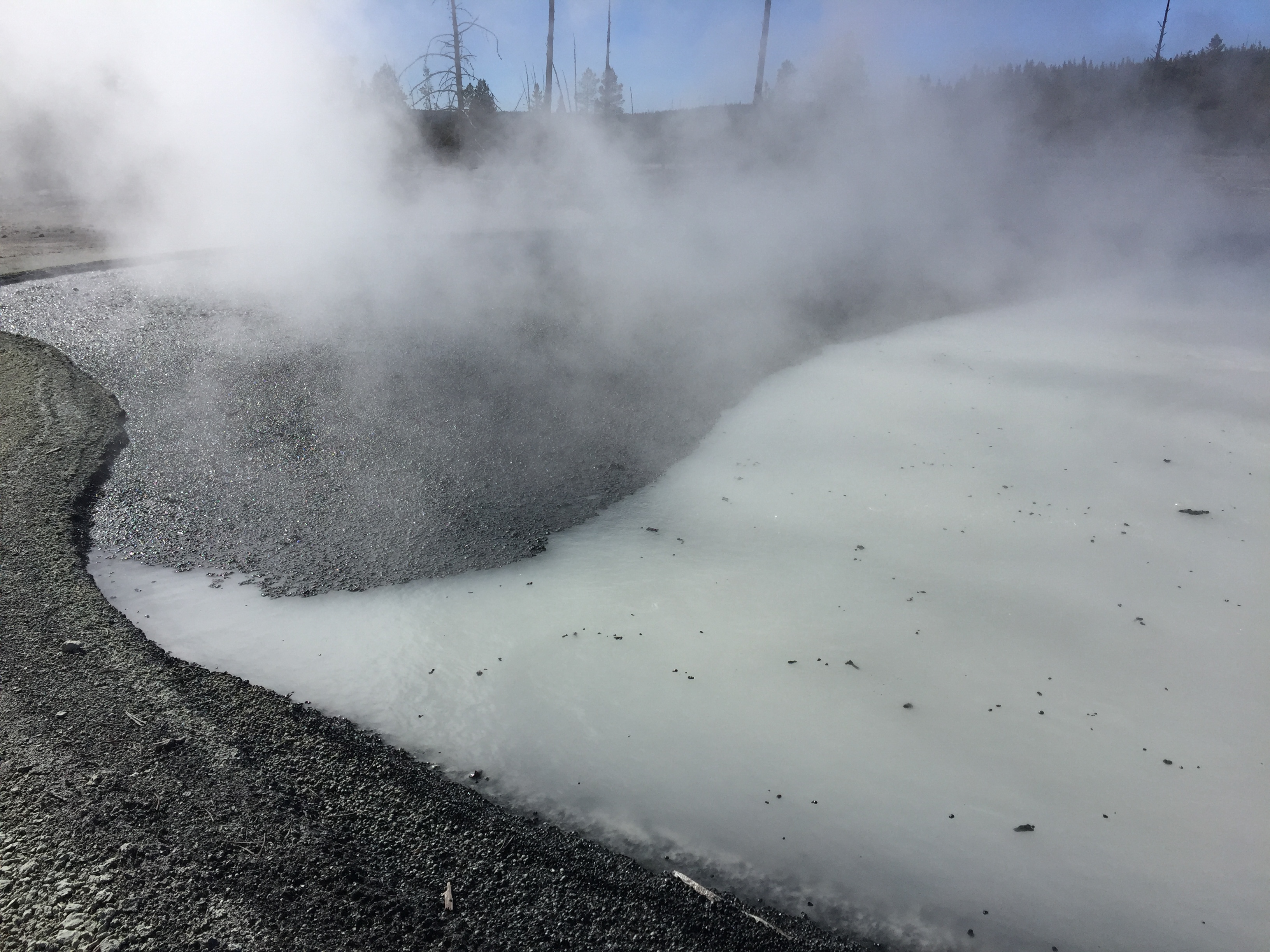
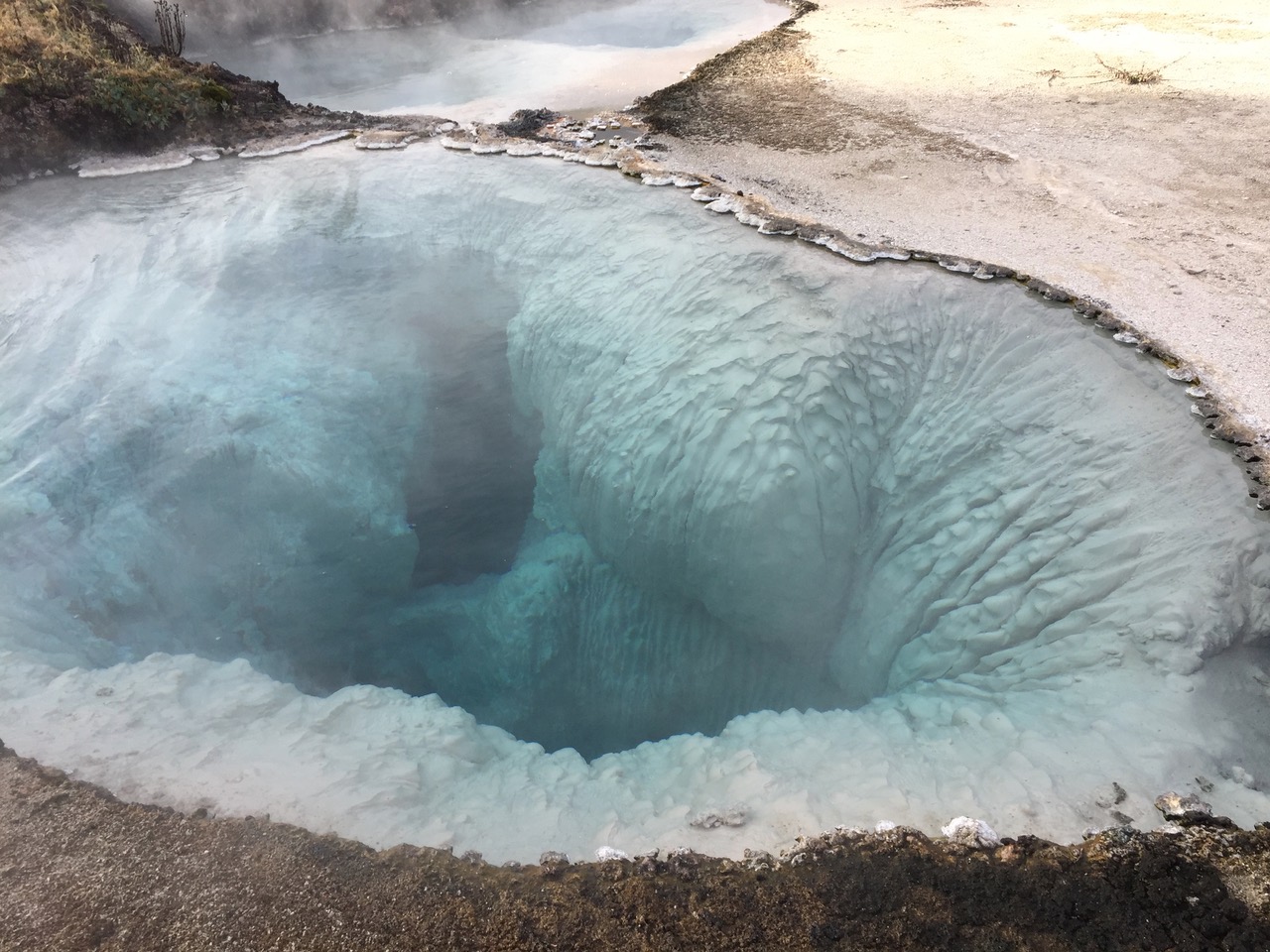
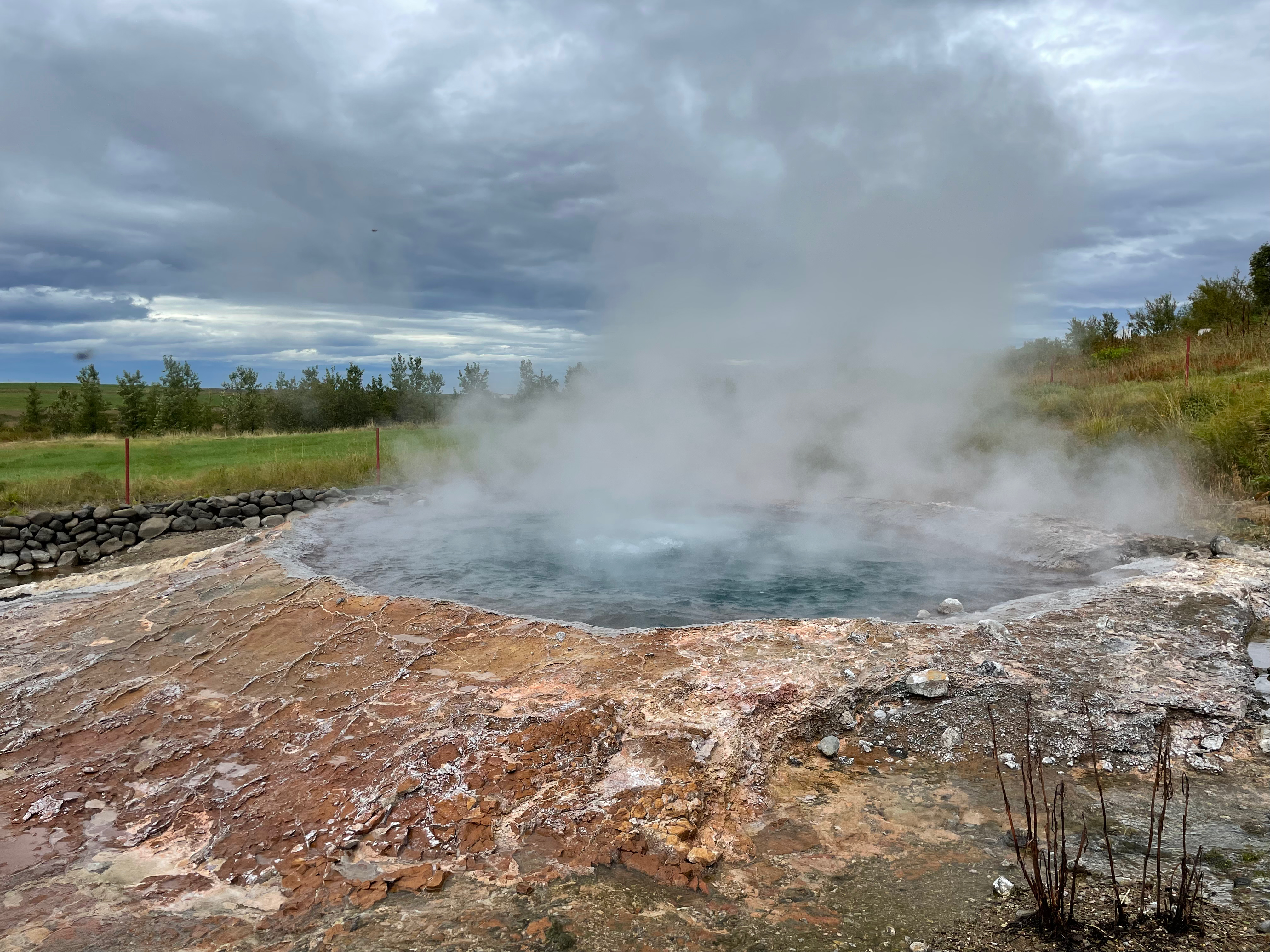
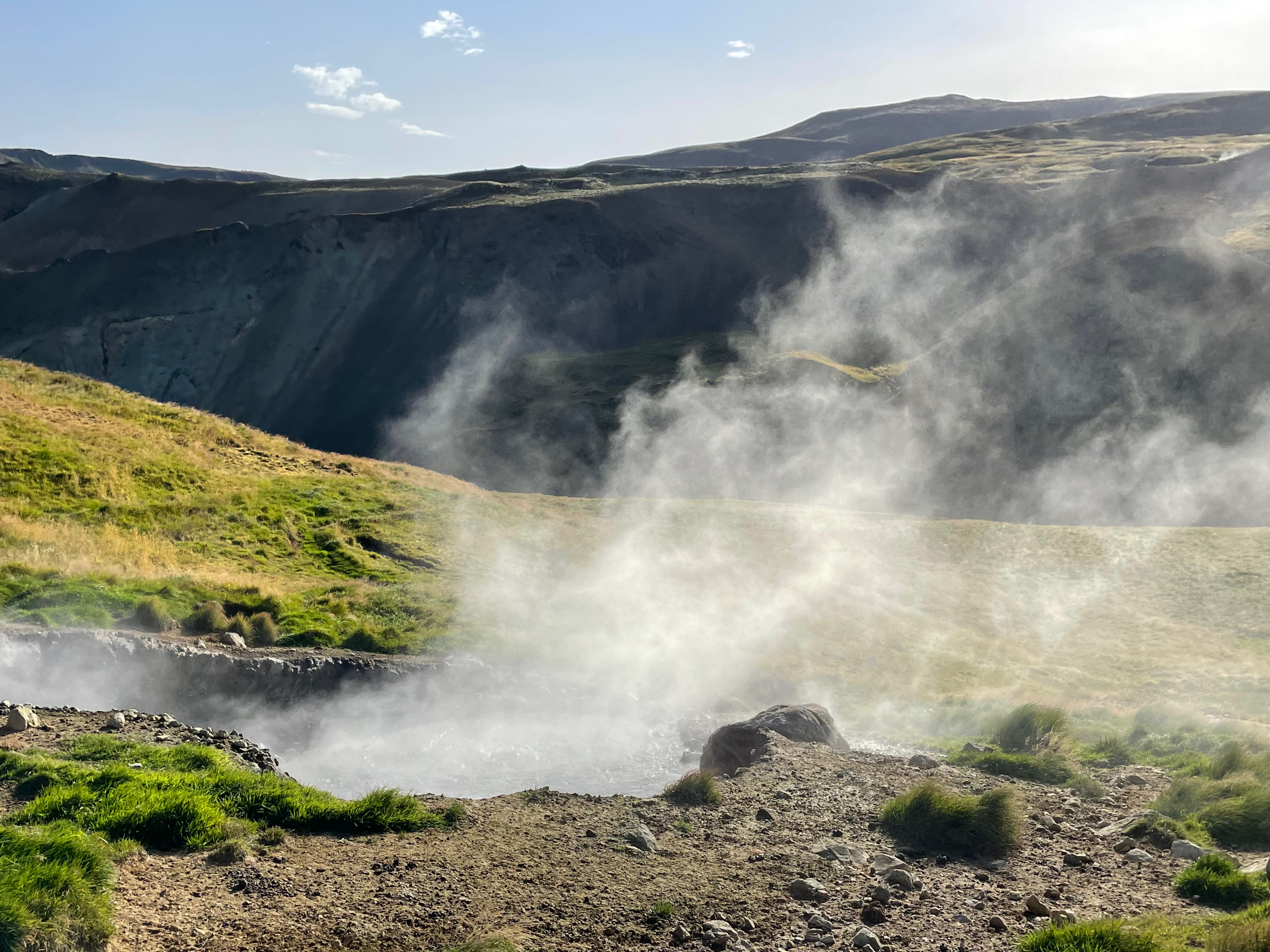
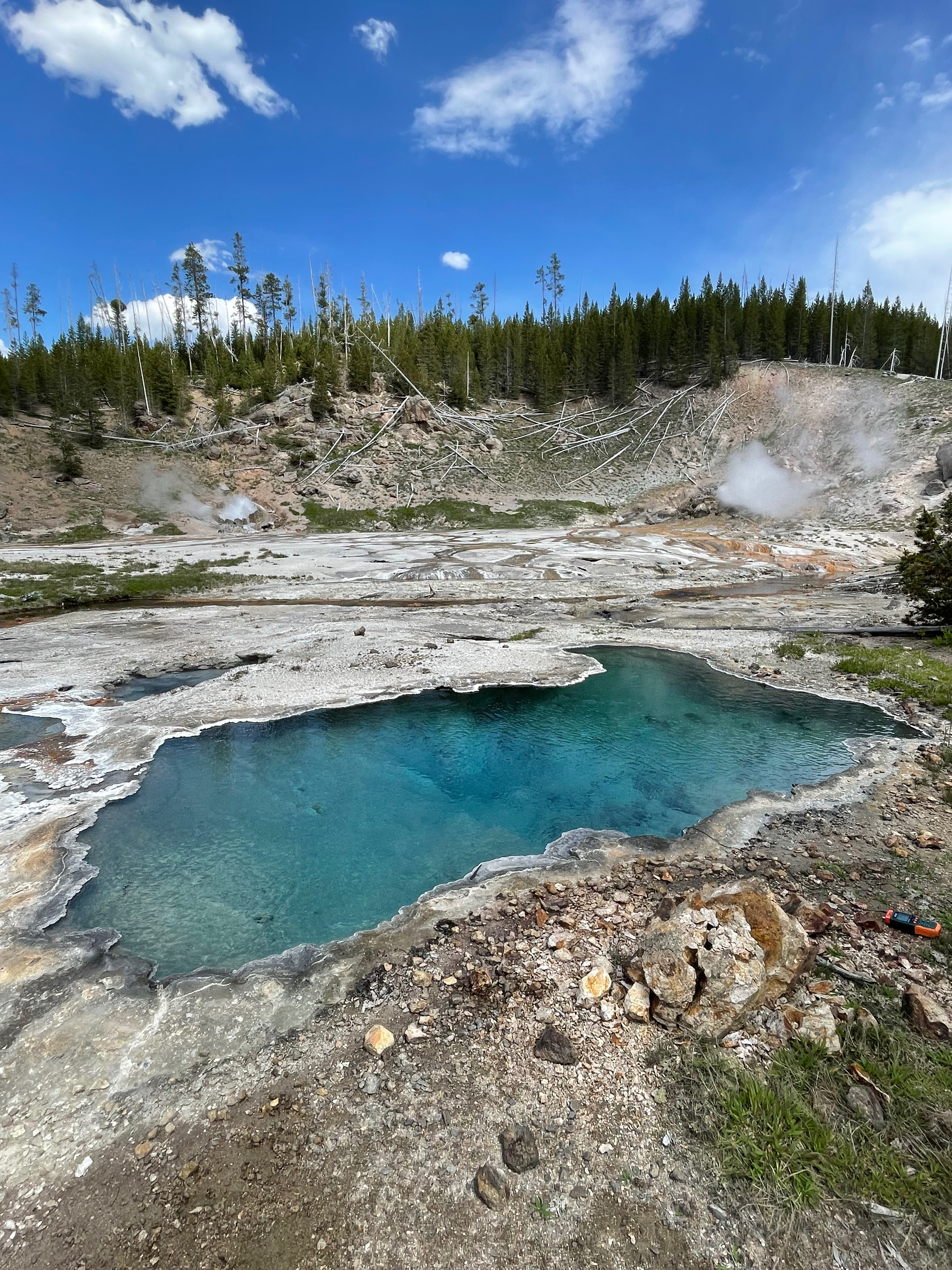
Hydrothermal systems form at divergent and convergent boundaries of plates and within plates due to weakened crust and mantle plumes, where they play host to diverse microbial ecosystems that are integrally associated with their geologically-influenced environments. However, little is known of how differences in tectonic setting influence the geochemical and microbial compositions of hydrothermal ecosystems and what these observations can reveal about the co-evolution of microbial life and Earth. Ongoing work in the Colman Lab utilizes cross-system comparisons to generate new insights into the role of geologic setting on hot spring microbiology on present-day Earth and throughout Earth history.
Recent relevant publications
Colman, D.R., Keller, L.M., Arteaga-Pozo, E., Andrade-Barahona, E.., St. Clair, B., Shoemaker, A., Cox, A., & Boyd, E.S. (2024). Covariation of hot spring geochemistry with microbial genomic diversity, function, and evolution. Nature Communications, 15 (1), no. 7506.
Colman, D.R., A. Veach, A. Stefánsson, L. Wurch, B.S. Belisle, P.T. Podar, Z. Yang, D. Klingeman, K. Senba, K. Murakami, J. Kristjánsson, S.H. Björnsdóttir, E.S. Boyd & M. Podar. 2023. Tectonic and geological setting influence hot spring microbiology. Environmental Microbiology, 25 (11), 2481-2497.
Upin, H., D.R. Newell, D.R. Colman & E.S. Boyd. (2023) Tectonic settings influence the geochemical and microbial diversity of Peru hot springs. Communications Earth and Environment. 4 (1), no. 112.
Sims, K. W., Messa, C. M., Scott, S. R., Parsekian, A. D., Miller, A., Role, A. L., Moloney, T.P., Shock, E.L., Lowenstern, J.B., McCleskey R.B., Charette, M.A., Carr, B.J., Pasquet, S., Heasler, H., Jaworowoski Ch., Holbrook, W.S., Lindsay, M.R., Colman, D.R. & Boyd, E. S. (2023). The dynamic influence of subsurface geological processes on the assembly and diversification of thermophilic microbial communities in continental hydrothermal systems. Geochimica et Cosmochimica Acta, 362, 77-103.
Click here to see the full publication list
Geo-microbial interactions in acid rock drainages of Montana
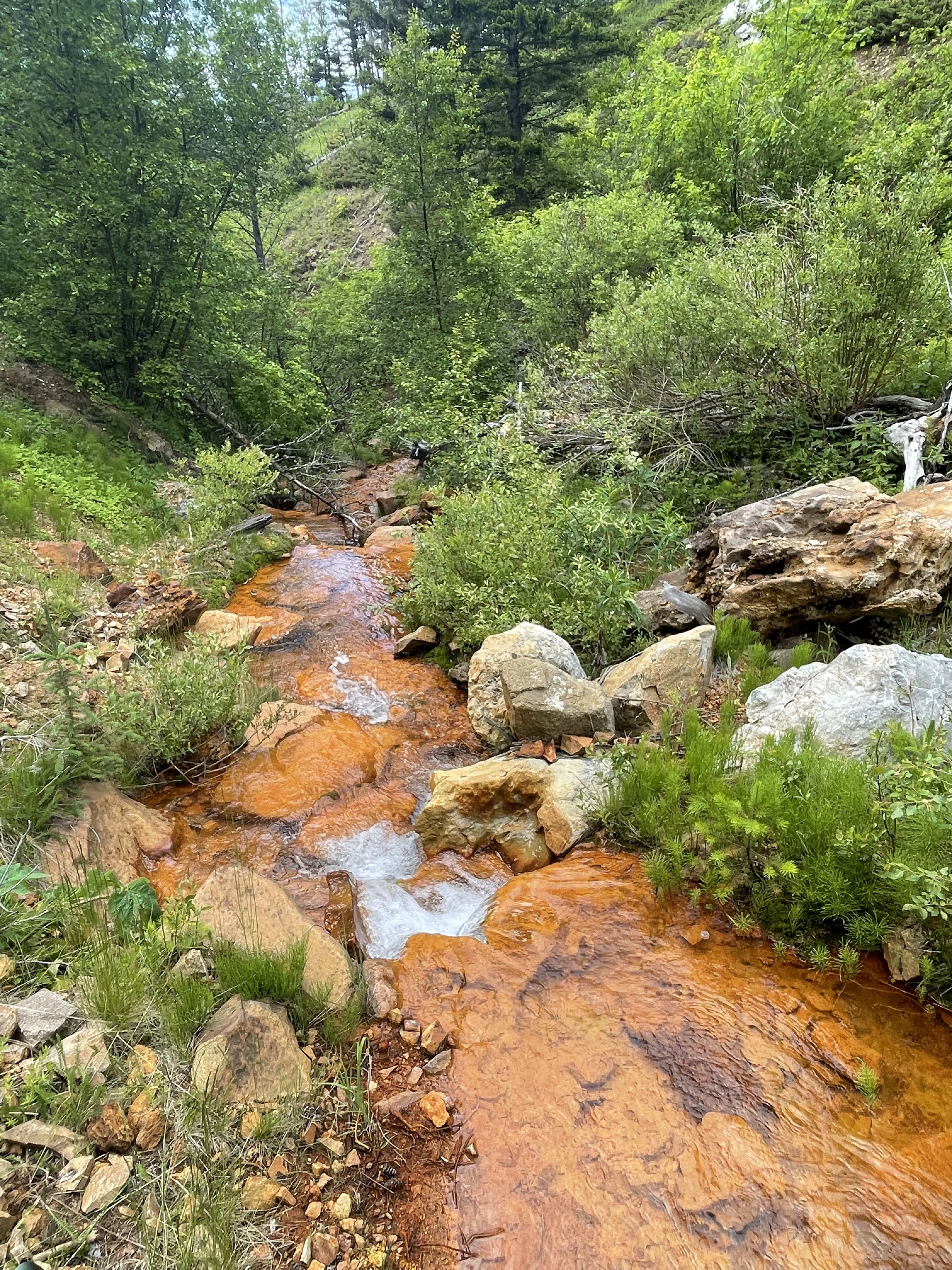
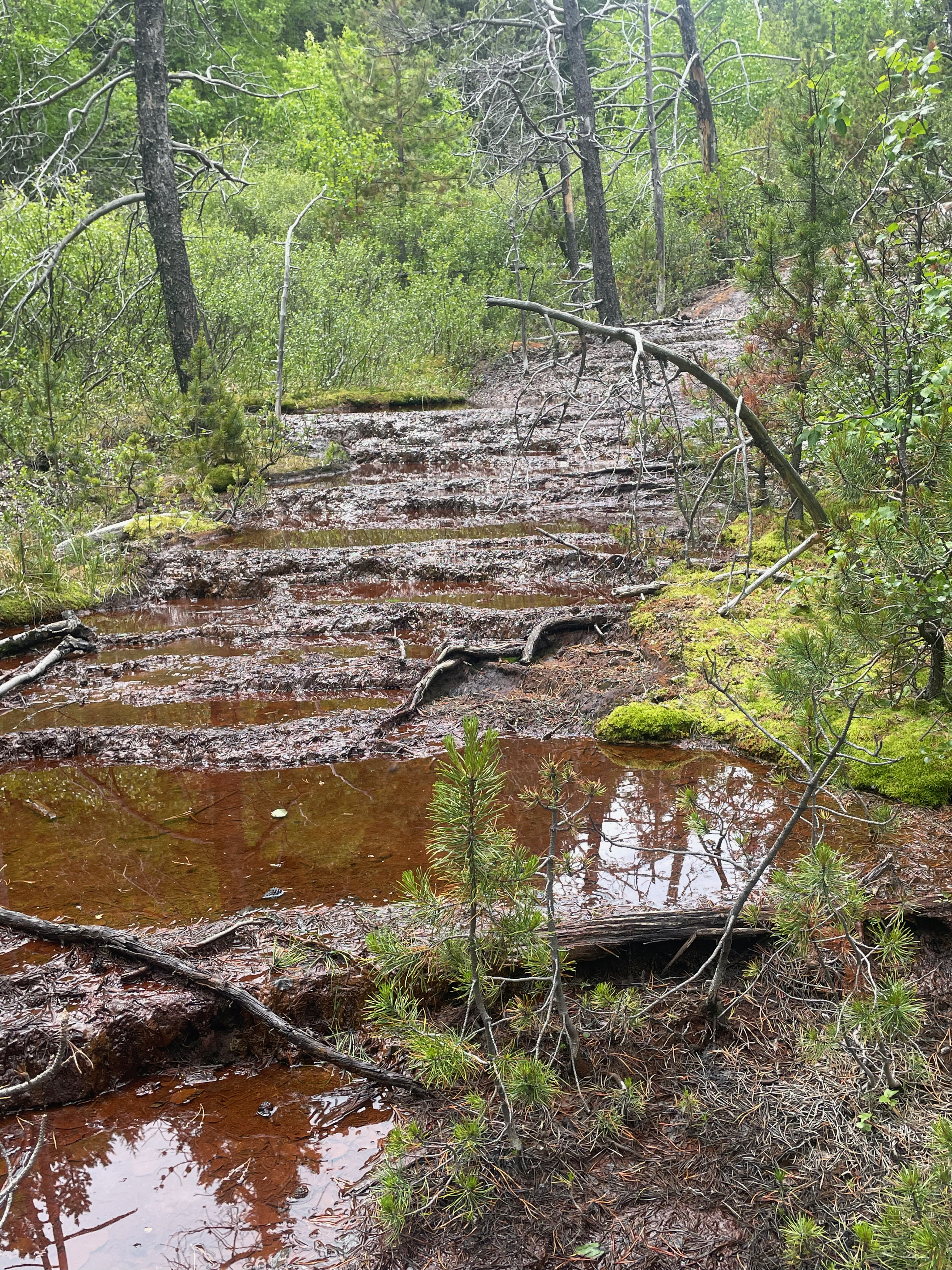
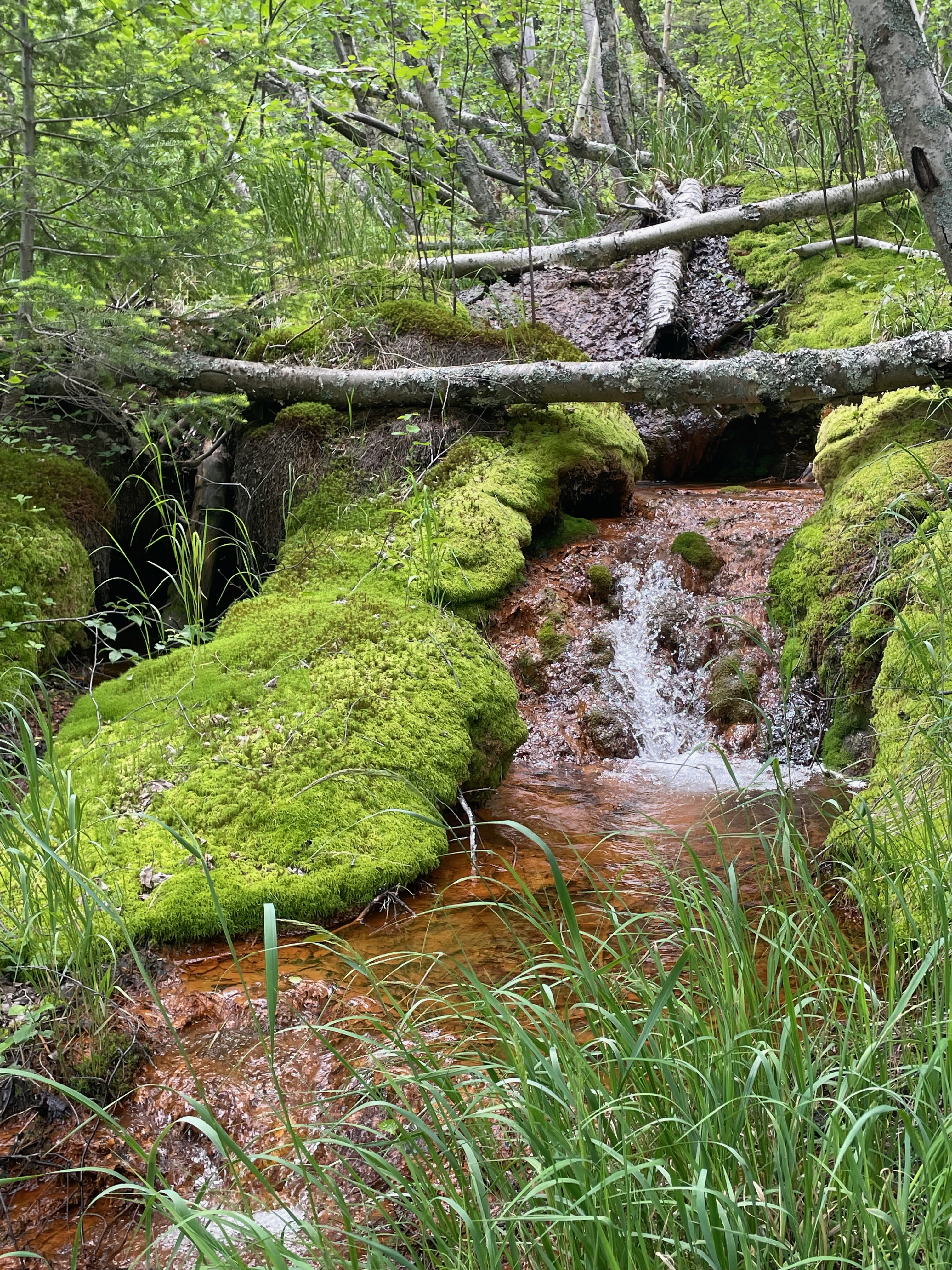
Acid mine drainage (AMD) has extensive, persistent negative effects on watershed ecosystems and is a major environmental concern, particularly in Montana. Moreover, AMDs have recently received considerable attention as potential supply sources for critical minerals/elements. A key goal in AMD remediation is returning waters to their pre-mined, baseline natural states, which can be informed by natural acid rock drainages (NARDs) that naturally occur in areas with similar ore formations as those that have been mined. However, NARDs are little-studied relative to AMDs, and many knowledge-gaps associated with the former remain including of their temporal and mechanistic dynamics. Notably, AMD is accelerated via well-known microbial activities, wherein oxygen-dependent microbial oxidation of sulfide minerals (e.g., pyrite) results in substantial sulfuric acid production and metal mobilization that deteriorates water quality. In contrast, essentially nothing is known of microbial associations with NARDs and whether they also influence NARD dynamics, as in AMD. Ongoing research in the Colman lab focuses on understanding the mechanisms and nature of NARD generation, progression, and change from which to then help better understand AMD remediation.
The microbial ecology serpentinization-influenced subsurface ecosystems
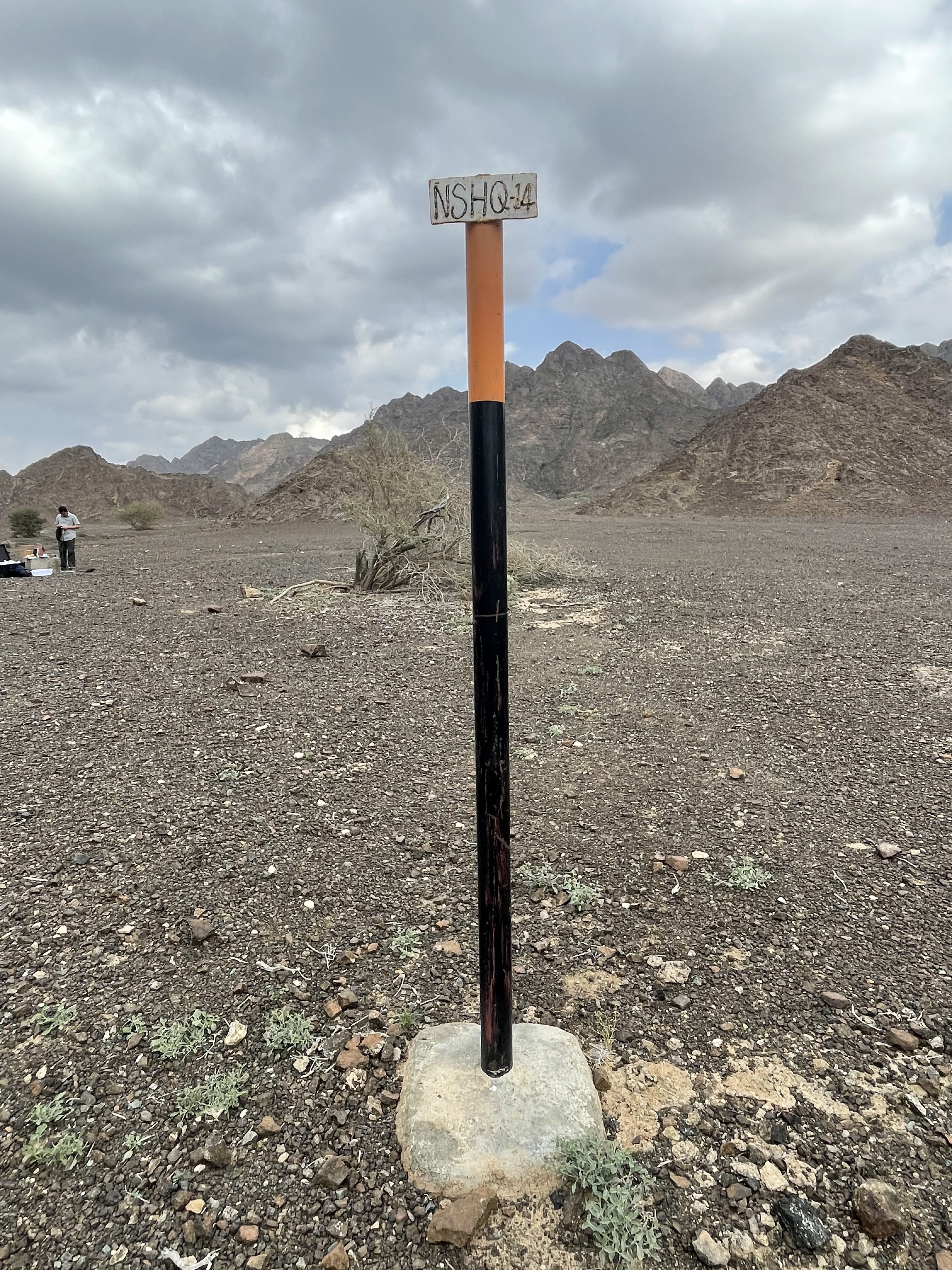
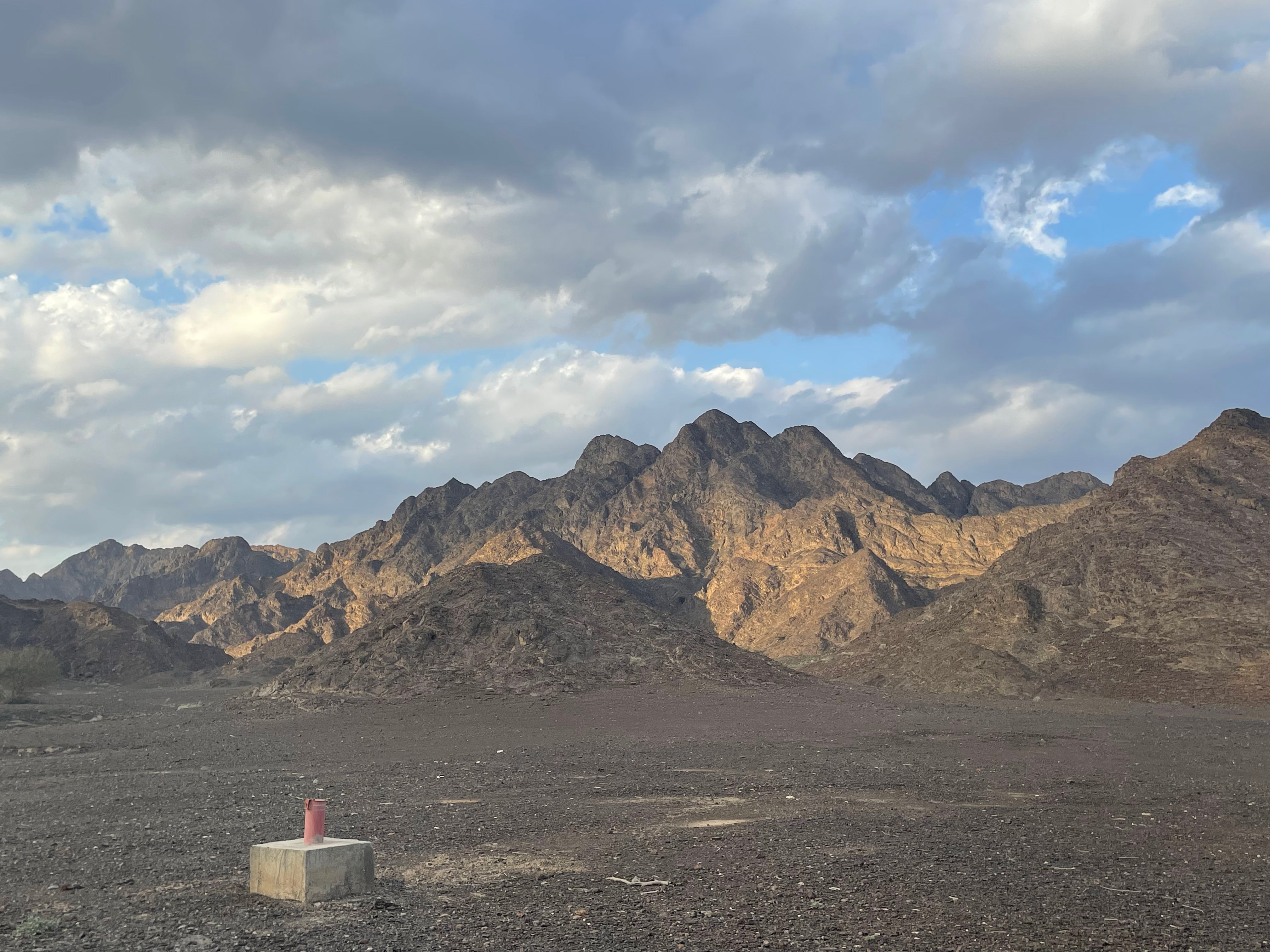
Serpentinization is the collective set of geochemical reactions initiated by the hydration of ultramafic rock and has occurred throughout Earth history and is inferred to occur on several planets and moons in our solar system. These reactions generate highly reducing conditions that can drive organic synthesis reactions potentially conducive to the emergence of life, while concomitantly generating fluids that challenge life owing to hyperalkalinity, limited inorganic carbon (and oxidant) availability, and other factors. Consequently, the serpentinite- hosted biosphere offers insights into the earliest life, the habitable limits for life on Earth, and the potential for life to exist on other planets. Research in the Colman Lab focuses on the ecological, phylogenetic, and physiological diversity of microorganisms inhabiting contemporary serpentinization-influenced ecosystems to better understand the associations of microorganisms and these environments throughout Earth history.
Recent relevant publications
Colman, D., Templeton, A., Spear, J., and Boyd, E. (2025). Microbial Ecology Serpentinite-Hosted Ecosystems. Invited Review for The International Society for Microbial Ecology Journal, 9 (1), wraf029.
Templeton, A., Ellison, E., Leong, J., Colman, D.R., Boyd, E.S., Kelemen, P.B. & Matter, J.M. (2024). Low-temperature hydrogen production and consumption in partially-hydrated peridotites in Oman: implications for stimulated geological hydrogen production. Frontiers in Geochemistry, 2, no. 1366268.
Colman, D.R., Kraus, E.A., Thieringer, P.H., Rempfert, K., Templeton, A.S., Spear, J.R. & Boyd, E.S. (2022). Deep-branching acetogens in serpentinized subsurface fluids of Oman. Proceedings of the National Academy of Sciences, 119(42), no. e2206845119.
Fones, E.M., Colman, D.R., Kraus, E.A., Stepanauskas, R., Templeton, A.S., Spear, J.R. & Boyd, E.S. (2021). Diversification of methanogens into hyperalkaline serpentinizing environments through adaptations to minimize oxidant limitation. The International Society for Microbial Ecology Journal, 15 (4), 1121-1135.
Click here to see the full publication list
The ecological and evolutionary tempo of microbial adaptation to hydrothermal ecosystems
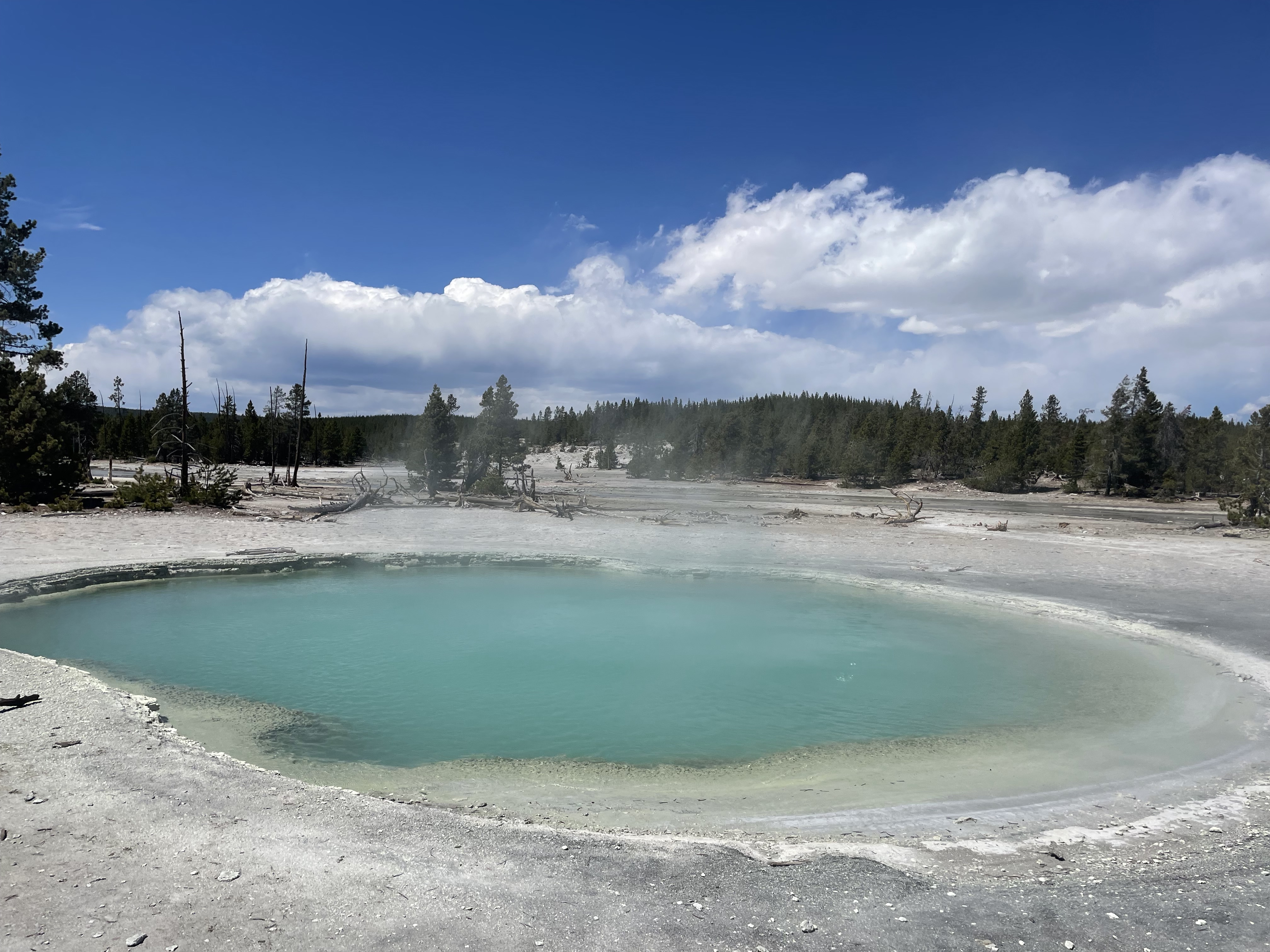
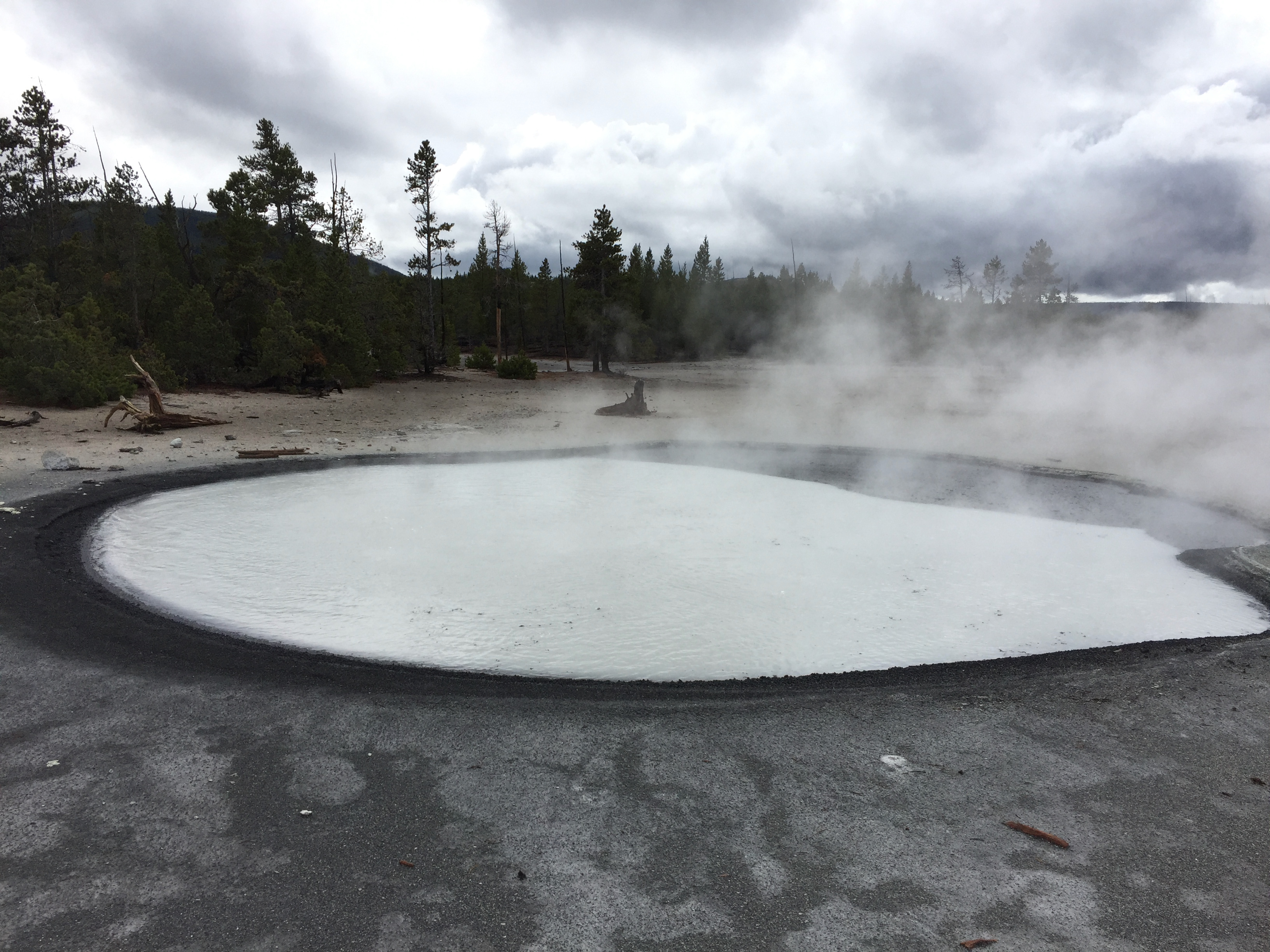
Nearly a century of scientific study of continental hydrothermal ecosystems has yielded a well-developed framework for understanding how geologic and volcanic processes interact with hydrologic systems, and how this in turn shapes microbial diversity. Paradoxically, despite the considerable value that hot spring ecosystems provide to the scientific community and the public, almost nothing is known of how hydrothermal systems and their microbial inhabitants collectively change, either ecologically, or evolutionarily, over time and what the drivers of such change might be. Research in the Colman Lab is focused on understanding these dynamics as a means to understand how microbial inhabitants of hydrothermal systems change in concert with changes in their environments over time.
Recent relevant publications
Colman, D.R., Amenabar, M.J., Fernandes-Martins, M.C. & Boyd, E.S. (2022). Subsurface Archaea associated with rapid geobiological change in a model Yellowstone hot spring. Communications Earth & Environment, 3(1), 1-12.
Colman, D.R., Lindsay, M.R., Harnish, A., Bilbrey, E.M., Amenabar, M.J.,, Selensky, M.J., Fecteau, K.M.,, Debes, R.V., Stott, M., Shock, E.L. & Boyd, E.S. (2021). Seasonal hydrologic and geologic forcing of hot spring geochemistry and biodiversity. Environmental Microbiology, 23 (7), 4034-4053.
Click here to see the full publication list
Soil microbial responses to human disturbance in sagebrush steppe ecosystems of Montana
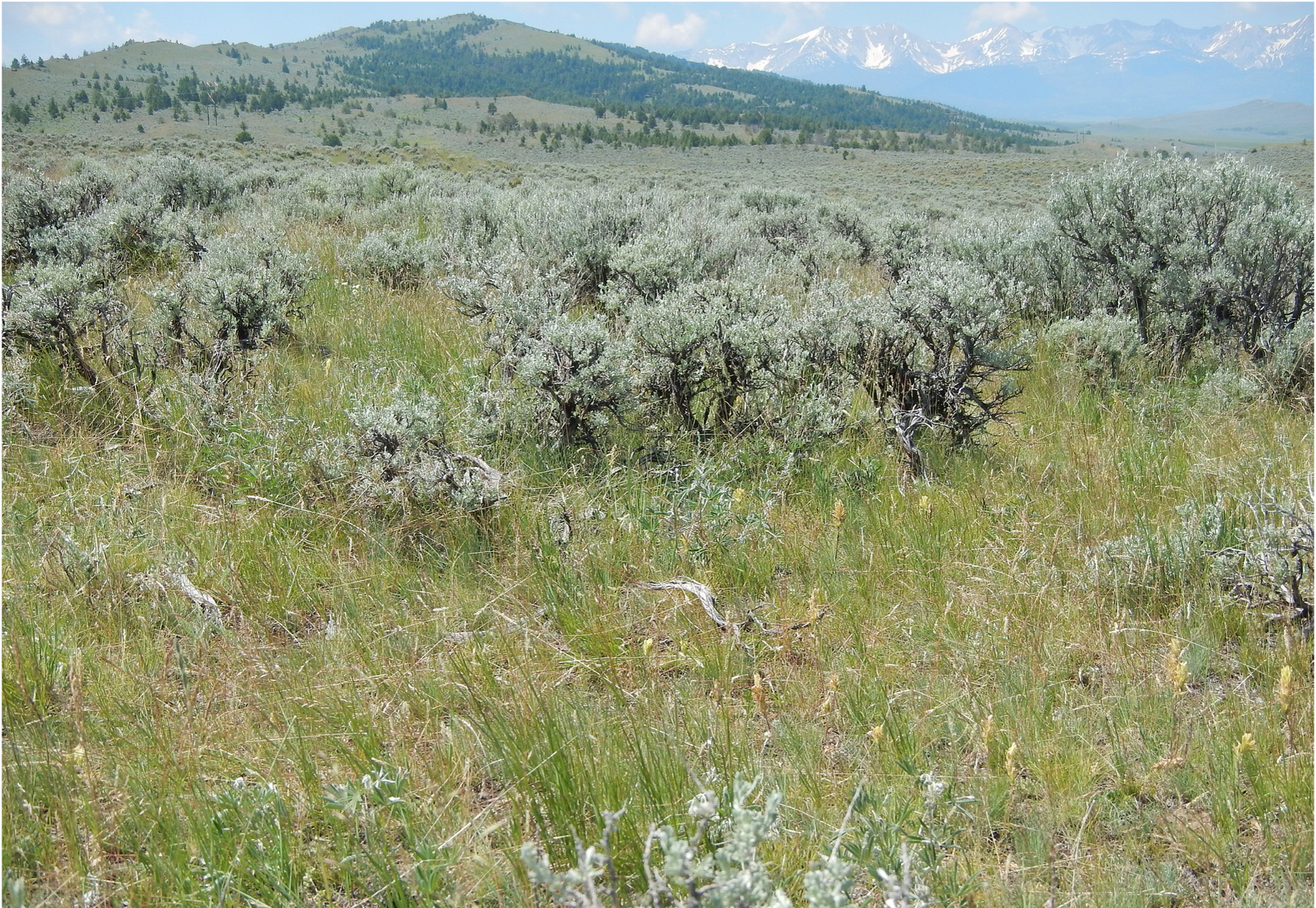
Sagebrush steppe ecosystems are widely distributed across the Western U.S. & Southwestern Montana, where they have multiple uses including for grazing and wildlife management. Declines in their prevalence have been notable in recent years due to various disturbances (e.g., fire) and conversion of land types. Consequently, there is significant interest in their management to ensure their sustainability as important western ecosystems. Ongoing research in the Colman Lab is focused on understanding alteration of soil microbial communities in disturbed Sagebrush steppe systems to understand their potential role in the resilience of these ecosystems to disturbance.

